

Understanding the Importance of Safety and Privacy in Male Enhancement
Overview of Male Enhancement Procedures
Male enhancement encompasses a variety of surgical and non-surgical options aimed at improving penis size and function. Surgical interventions include ligamentolysis (cutting the suspensory ligament), fat injections, dermal fillers, and implantation of FDA-approved devices such as the Penuma® silicone implant. These procedures may be pursued for medical conditions like micropenis or buried penis, congenital or acquired, as well as for cosmetic reasons.
Non-surgical methods—such as pills, lotions, exercises (like jelqing), vacuum pumps, and traction devices—are widely advertised but generally lack strong scientific evidence supporting effectiveness. Many of these carry potential health risks including tissue damage and infection.
Fundamental Concerns about Safety and Privacy
Safety is paramount when considering male enhancement procedures. Surgical risks can include infection, scarring, loss of sensation, erectile dysfunction, and unsatisfactory aesthetic outcomes. Complications specific to injectables include filler migration, nodules, and inflammatory reactions. Unlicensed procedures, such as self-injected silicone, pose severe risks including necrosis and chronic infection.
Equally important is patient privacy. Facilities comply with HIPAA regulations to protect sensitive health information. Recent privacy rule enhancements further safeguard reproductive health care data against unauthorized disclosure or legal investigations. Patients are encouraged to explore treatment options with qualified providers in a confidential, supportive environment.
Role of Expert Medical Guidance
Choosing a board-certified specialist is critical to minimize risks and achieve realistic outcomes. Preoperative assessments evaluate overall health and psychological readiness, while detailed counseling ensures informed consent. Postoperative care includes monitoring for complications and proper recovery guidance.
Expert medical professionals emphasize evidence-based treatments, transparency about potential complications, and personalized care plans. This comprehensive approach fosters patient confidence, safety, and dignity throughout the enhancement journey.
Key Facts on Male Enhancement Procedures and Safety
- Minimally invasive hyaluronic acid fillers like Magic Shot™ are the safest FDA-approved options for male enhancement.
- Hyaluronic acid penile augmentation has a low risk of complications such as swelling and bruising when administered by qualified clinicians.
- Surgical penis enlargement techniques have higher risks, including infection, scarring, and potential loss of sensation.
- FDA approval indicates rigorous safety and efficacy evaluation; Penuma® is the only FDA-cleared device for penile enhancement.
- Non-licensed procedures, especially unregulated silicone injections, pose severe health risks like infection and necrosis.
- Trusted clinics implement comprehensive privacy safeguards including administrative, physical, and technological measures.
- Patients have the right to access, control, and be informed about their personal health information under HIPAA privacy rules.
- Ethical counseling emphasizes informed consent, client autonomy, and confidentiality, with exceptions for harm prevention.
- Beware of unproven gels, unlicensed silicone injections, and mechanical devices that carry serious health hazards.
- Post-procedure care, including infection monitoring and activity restrictions, is essential in minimizing complications and ensuring successful recovery.
1. Choose Minimally Invasive Procedures with Proven Safety Profiles
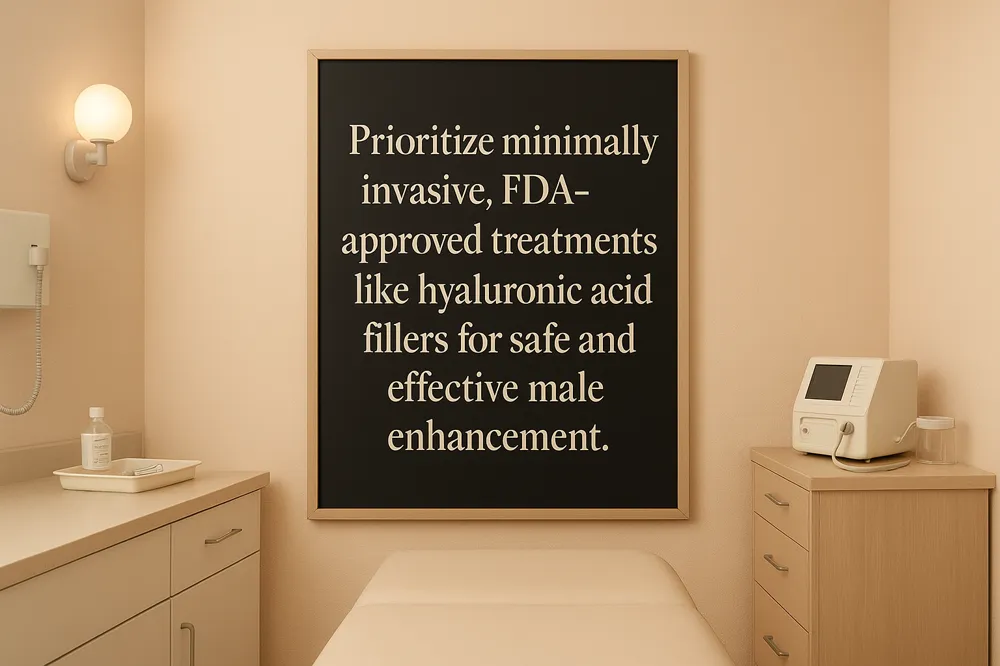
What is the safest male enhancement procedure?
When considering male enhancement, safety is a paramount concern. Among available options, minimally invasive procedures utilizing Hyaluronic acid penile augmentation (HA) fillers, such as the Magic Shot™, are viewed as the safest. These dermal fillers in penis enlargement are FDA-approved for use in soft tissue augmentation and involve injecting the HA gel into the penile shaft to enhance girth and appearance.
Safety of non-surgical options like hyaluronic acid fillers
Hyaluronic acid penile augmentation fillers have a favorable safety profile when administered by qualified clinicians. They carry a low risk of complications, which are generally mild and temporary, including swelling, bruising, or minor discomfort. Management of filler complications and standardized injection protocols reduce risks of nodules, migration, or infection. In contrast, unregulated substances and unlicensed silicone injections or oils are associated with severe inflammation, granulomas, and irreversible damage.
Comparison with surgical procedures
Surgical penis enlargement options, such as penis suspensory ligament surgery, penile fat or tissue grafts, or implantation of devices like the FDA-approved Penuma® device implantation, are more invasive and have higher risk profiles. Potential complications include risks of penile enlargement surgery, infection, scarring, erectile dysfunction, sensation loss, and dissatisfaction with cosmetic outcomes. Additionally, surgeries often require extended post-surgical recovery guidelines and carry risks related to anesthesia and permanent changes in penile structure.
Role of FDA approval and expert qualifications
FDA approval signifies that a product or device has undergone rigorous evaluation for safety and efficacy. The Penuma® Silicone Implant is the only FDA-cleared device specifically for penile enhancement. For injectable fillers, FDA clearance of the dermal filler component is important, although its use for penile augmentation is typically off-label. Ensuring procedures are performed by qualified healthcare providers dramatically reduces risks and improves outcomes.
| Procedure Type | Safety Profile | Recovery Time | Common Risks |
|---|---|---|---|
| Hyaluronic Acid Fillers | Low complication rate, minimally invasive | Immediate to a few days | Swelling, bruising |
| Surgical Phalloplasty | Higher risk, invasive | Several weeks | Infection, scarring, sensation loss |
| Unlicensed Silicone Injection | High-risk, unregulated | Variable | Severe inflammation, necrosis |
In summary, minimally invasive procedures using dermal fillers in penis enlargement offer a balance of safety, effectiveness, and convenience for men seeking male enhancement. Consultation with qualified specialists ensures realistic expectations and personalized care.
2. Ensure Evaluation and Management of Surgery-Related Risks with Expert Surgeons

How safe is male enhancement surgery?
Male enhancement surgery can be a safe and effective option when conducted by a highly experienced, double-board certified plastic surgeon such as Dr. Victor Liu, who specializes in penile enhancement surgery. Although this surgery typically presents minimal risks, potential complications include infection, scarring, and changes in sensation or function. Advanced surgical techniques focus on natural-looking results with minimal invasiveness, which helps reduce recovery times and side effects.
Thorough preoperative consultation and assessment are crucial to establish realistic expectations and ensure patient suitability. Patients benefit significantly by selecting a reputable surgeon in a well-equipped facility that adheres to strict medical standards. With proper expertise and planning, male enhancement procedures can successfully address both aesthetic desires and confidence-related concerns.
What are some common risks and complications associated with male enhancement surgeries?
Common risks in penis enlargement surgery options involve infection, which can be controlled with sterile technique and diligent postoperative care. Scarring may occur, potentially impacting the penile appearance if not managed properly. There is also a risk of nerve injury leading to loss or alteration of penile sensation.
More serious but less frequent complications include erectile dysfunction after surgery or urination difficulties if crucial anatomical structures are damaged. Patient dissatisfaction due to unmet expectations is another concern, emphasizing the importance of detailed discussions before surgery. Selecting a qualified, double-board certified surgeon like Dr. Victor Liu minimizes these risks and enhances the chances for safe, natural, and satisfying outcomes.
Importance of double-board certified surgeons
Choosing a double-board certified surgeon ensures advanced training and competency in both aesthetic plastic surgery and urology or reconstructive genital surgery. Such expertise contributes to careful patient evaluation, meticulous surgical technique, and comprehensive postoperative follow-up.
Preoperative assessment and postoperative care
Preoperative evaluation includes overall health assessment, psychological readiness, medication review, and lifestyle factors like smoking cessation to optimize healing. After surgery, patients require guidance on wound care, signs of infection, pain management, and activity restrictions to facilitate recovery and reduce complication risks.
Early detection and management of adverse effects are essential for successful recovery and optimal long-term results.
3. Select Providers Who Rigorously Protect Patient Privacy and Confidentiality
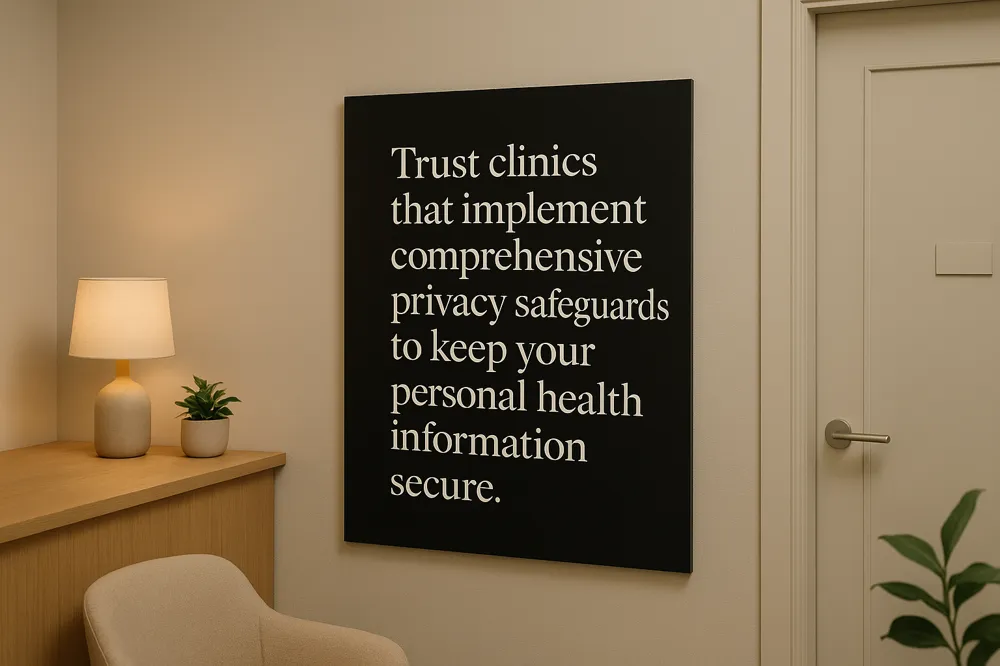
What safeguards are used to protect patient privacy?
At male enhancement clinics committed to patient confidentiality, a robust framework of safeguards is implemented to secure personal health information. These include:
- Administrative safeguards: Comprehensive staff training ensures that all employees understand privacy policies and regulations. Regular compliance audits maintain continual adherence to privacy standards.
- Physical safeguards: Clinics enforce controlled access to sensitive areas and securely store any physical records to prevent unauthorized viewing or theft.
- Technological safeguards: Electronic health records are protected by advanced encryption and secure login protocols. Regular security checks and software updates reduce vulnerability to data breaches. Such measures collectively uphold legal standards, including HIPAA Privacy Rule reproductive health care modifications, guaranteeing that the privacy of patient information remains intact throughout the care process.
What are some key patient rights under healthcare privacy rules?
Patients seeking male enhancement procedures benefit from clearly defined privacy rights designed to empower and protect them. These rights include:
- Access to medical records: Patients can review their health information and request corrections if inaccuracies are found.
- Clear privacy notices: Clinics provide transparent explanations detailing how protected health information (PHI) is collected, used, and shared.
- Control over PHI disclosures: Patients may request limits on the sharing of their information and specify preferred methods of communication for sensitive data.
- Right to accounting of disclosures: Patients can obtain records of when and why their health information was accessed, ensuring accountability and transparency. These rights foster trust and confidence, ensuring that sensitive information related to Penis enlargement products effectiveness and treatments is handled with the utmost respect and discretion.
4. Adhere Strictly to Legal and Ethical Standards for Counseling and Consent

Importance of Informed Consent and Client Autonomy
In male enhancement care, obtaining informed consent is a fundamental ethical requirement. Patients must receive clear, comprehensive information about the nature of the procedures, potential risks of penis enlargement products, benefits, and alternatives, including non-surgical penis enlargement methods and their limited effectiveness. This transparency empowers clients to make autonomous decisions aligned with their goals and health status.
Ethical Counseling Practices in Male Enhancement Care
Counselors and healthcare providers are responsible for respecting client dignity and welfare without imposing personal biases. Professionals must approach sensitive issues like penile enhancement with cultural sensitivity and developmental awareness, ensuring psychological readiness and realistic expectations. Counseling should include exploring mental health concerns, such as Small Penis Anxiety (SPA) and Surgery or Penile Dysmorphophobia Disorder (PDD), that may influence decision-making.
Confidentiality Exceptions and Professional Boundaries
Confidentiality is critical in safeguarding patient privacy, particularly with sensitive reproductive and sexual health information. However, exceptions exist where disclosure is required by law or to prevent imminent harm. Providers must clearly communicate confidentiality limits and comply with privacy regulations such as HIPAA Privacy Rule reproductive health care modifications. Maintaining professional boundaries includes avoiding dual relationships and ensuring counseling sessions remain free from conflicts, reinforcing trust and safety.
By adhering to these ethical and legal standards, clinicians can provide responsible, patient-centered care in male enhancement treatments, enhancing outcomes and maintaining professional integrity.
5. Recognize and Avoid Unsafe or Unlicensed Enhancement Methods
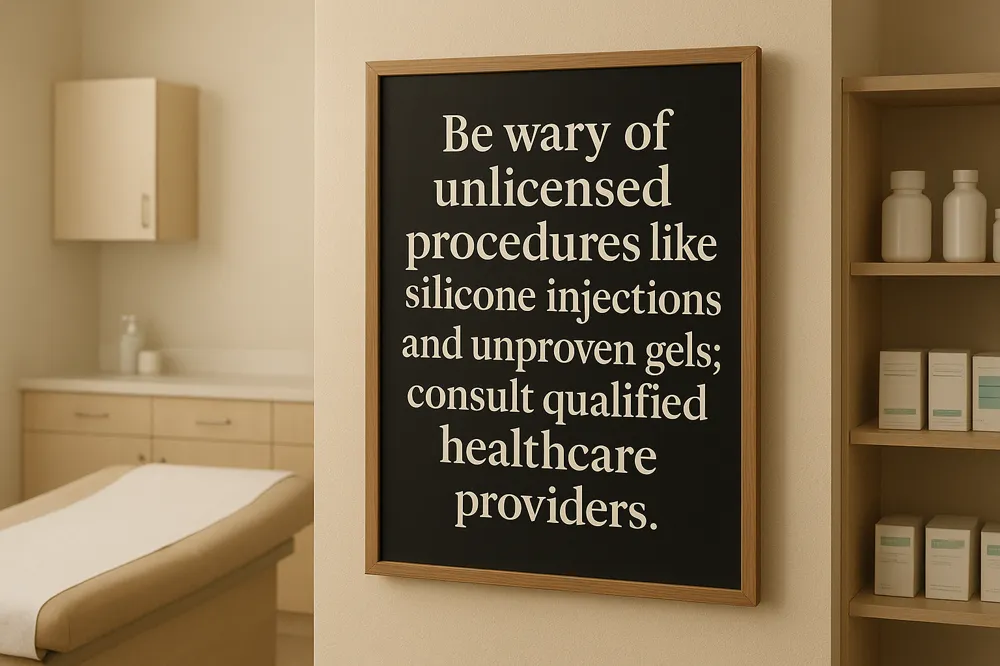
What do doctors say about penis enlargement gels?
Most Nonsurgical penis enlargement methods lack credible scientific evidence to support their claims. Medical experts highlight that advertising for these products is frequently misleading, with some formulations containing ingredients whose safety of penis enlargement products and effectiveness have not been proven. As a result, users may face adverse reactions ranging from skin irritation to more serious health issues.
Dangers of unlicensed silicone injections
Unlicensed silicone injections pose significant health risks and are strongly discouraged by professional medical organizations. These injections can cause severe complications such as siliconoma inflammatory reaction, infection, tissue necrosis, deformity, and swelling. Often administered outside licensed medical facilities using improvised equipment, these procedures can necessitate complex corrective surgeries, which may not entirely resolve the damage.
Risks of non-medically supervised enhancement methods
Beyond unlicensed silicone injections, many non-surgical penis enlargement options—including pills, lotions, stretching devices, and exercises like jelqing—lack robust clinical support and may carry risks such as tissue damage, pain, and disfigurement. Vacuum pumps for penis enlargement, while temporarily enlarging the penis by engorging blood, can cause long-term damage to elastic tissue if misused. Surgical procedures like ligamentolysis or fat injections are generally reserved for genuine medical conditions rather than cosmetic purposes due to their limited proven success and the potential for complications including loss of sensation, infection, and scarring.
Advisories from professional medical bodies
Reputable medical organizations, such as the American Urological Association and plastic surgery boards, recommend consulting with qualified healthcare providers regarding any concerns about penis size. They emphasize safe, evidence-based approaches and caution against unapproved products or procedures. For men considering enhancement, achieving realistic expectations and prioritizing safety through professional guidance is essential.
| Aspect | Unsafe Methods | Risks and Concerns |
|---|---|---|
| Silicone injections | Unlicensed, non-medical | Infection, siliconoma, necrosis, deformity, requires complex surgery |
| Penis enlargement gels | Unproven ingredients, misleading ads | Adverse reactions, lack of efficacy, skin irritation |
| Mechanical devices | Unregulated pumps and extenders | Tissue damage, pain, elastic tissue injury |
| Surgical methods | Ligament cutting, fat injections | Scarring, infection, loss of sensation, erectile dysfunction, unstable erections |
| Medical guidance | Consultation with board-certified professionals | Personalized, safer options with realistic expectations and follow-up care |
6. Follow Detailed Post-Procedure Care to Minimize Complications
Importance of Strict Postoperative Guidelines
Adhering to the surgeon’s postoperative instructions is critical for minimizing complications after male genital enhancement procedures. These guidelines often include wound care, medication regimens, and activity restrictions designed to promote healing and reduce risks. For detailed information on Post-surgical recovery guidelines, see resources on recovery and aftercare following penis enlargement surgery.
Monitoring for Infection and Side Effects
Patients must vigilantly observe for signs of infection such as redness, swelling, unusual pain, or discharge. Early detection allows prompt treatment, potentially preventing serious outcomes like abscess formation or device-related issues. Additionally, monitoring for side effects such as changes in sensation, abnormal bleeding, or signs of allergic reaction is essential. Follow-up appointments with the surgical team provide medical evaluation and timely management if complications arise. For more on Complications and infection signs and Treatment of penile augmentation infections, consult specialized materials.
Expected Recovery Timelines and Activity Restrictions
Recovery time varies by procedure, with some requiring up to six weeks before returning to sexual activity. During this period, avoiding strenuous physical activity and following recommendations on hygiene can aid healing. Proper rest, abstaining from smoking, and managing medications contribute significantly to favorable outcomes. Patients should discuss individualized recovery plans and timelines with their healthcare provider to ensure realistic expectations and safe rehabilitation. For guidance on Recovery time after penile surgery and Postoperative Care and Follow-Up, see expert recommendations.
Overall, comprehensive postoperative care is a cornerstone in enhancing the safety and effectiveness of male genital enhancement surgeries, supporting both physical recovery and patient confidence. Additional information on Safety of penis enlargement products and Risks of penis enlargement surgery can further help patients make informed decisions.
Clarifying Common Patient Questions on Male Enhancement Safety and Privacy
Is it possible to permanently enlarge penis size?
Permanent enlargement through penile enhancement surgery is attainable but comes with important caveats. Surgical methods like ligament release and fat grafting, or implantation of devices such as the FDA-approved Penuma® device implantation can produce lasting increases in length or girth. However, these procedures carry risks including scarring, infection, altered sensation, erectile dysfunction, and dissatisfaction with cosmetic outcomes. Non-surgical approaches—such as injections or traction devices—typically yield temporary or modest improvement rather than permanent gains. Because of potential complications and variability in results, consultation with board-certified surgeons specializing in counseling about penis size is essential to ensure safe, personalized care. Patients should maintain realistic expectations, recognizing that permanent enlargement may be possible but involves balancing efficacy against safety and function.
How can penile girth be increased naturally?
Natural increase in penile girth is limited, with major changes generally unattainable without medical intervention. Techniques like jelqing exercises are widely practiced to improve erection quality by enhancing blood flow, which can temporarily increase girth. Cardiovascular activities, stretching, and yoga foster better circulation supporting erectile function and a firm appearance. Additionally, reducing pubic fat through weight management exposes more of the penile shaft, making it appear larger. Despite these strategies, genetic and hormonal factors dictate true size, and no proven natural method can yield permanent girth increase. Men are encouraged to prioritize overall health, communication about penis size, and seek professional advice rather than rely on unproven supplements or devices that lack scientific endorsement.
Prioritize Safety and Privacy for Optimal Outcomes in Male Enhancement Procedures
Safety in Male Enhancement Procedures
Ensuring patient safety is paramount in all male enhancement treatments. Surgical options such as ligamentolysis, fat injections, or implantation of the FDA-approved Penuma® device should only be conducted by qualified, board-certified surgeons to minimize risks like infection, scarring, and loss of sensation. Non-surgical methods generally lack scientific support and may pose health risks.
Qualified Providers and Privacy Measures
Selecting a reputable medical provider is crucial for safe results and effective care. Facilities complying with HIPAA regulations protect patient confidentiality, which is essential given the sensitive nature of male enhancement treatments. Privacy practices include secure handling of health information, informed consent, and safeguarding patient data from unauthorized disclosure.
Informed Patient Decisions
Patients are encouraged to seek comprehensive preoperative evaluations and engage in candid discussions about realistic expectations and potential complications. Being well-informed about each procedure, recovery times, and associated risks empowers men to make responsible choices that prioritize health and psychological well-being.
| Aspect | Details | Importance |
|---|---|---|
| Surgical Expertise | Board certification, experience with procedures | Minimizes complications and ensures safety |
| Privacy Compliance | HIPAA adherence, confidentiality policies | Protects sensitive patient information |
| Patient Education | Discussing risks, benefits, and expectations | Supports informed consent and satisfaction |
By prioritizing these practices, men can achieve safer and more satisfactory outcomes in their enhancement journeys.