

Introduction to Scrotal Enhancement and Its Importance
Overview of Scrotal Anatomy and Function
The scrotum is a pouch-like sac of skin and layered tissues located beneath the penis, housing the testicles. It plays a crucial role in protecting the testicles and regulating their temperature—typically around 93.2°F—to ensure optimal sperm production and male reproductive health.
Significance of Scrotal Aesthetics in Male Genital Rejuvenation
Beyond its functional importance, the scrotum's appearance is a vital component of male genital aesthetics. A balanced and youthful scrotal contour contributes to an overall harmonious look of the genital area, enhancing self-esteem and confidence. Scrotal skin can sag, loosen, or wrinkle with age or medical conditions, influencing both comfort and appearance.
Goals and Benefits of Scrotal Enhancement Procedures
Scrotal enhancement aims to restore or improve the size, shape, and tension of the scrotum. Procedures such as scrotoplasty (surgical lifting and tightening), scrotox (BOTOX® injections for muscle relaxation), and filler-based volume enhancement promote both aesthetic and functional benefits. Common goals include reducing sagging, improving comfort, elevating the scrotum for a more youthful look, and enhancing sexual pleasure. These treatments help patients achieve natural, proportional results while improving quality of life and confidence.
Understanding Scrotoplasty: Procedure, Benefits, and Recovery

What is scrotoplasty and what can patients expect during recovery?
Scrotoplasty surgical procedure, also known as a scrotal lift, is a surgical procedure aimed at removing excess, loose skin from the scrotum. This enhances comfort, improves the aesthetic appearance, and can sometimes aid function. The procedure generally lasts about one hour and is performed under general or local anesthesia depending on the complexity.
Post-surgery, patients often experience swelling and bruising during the first week, which is usually manageable with prescribed medications. Supportive garments, such as a jockstrap, are recommended for about two weeks to aid healing. Physical and sexual activities should be avoided for 6 to 8 weeks to prevent complications. Final results typically become visible within two to three months and lead to increased confidence and comfort.
Does scrotoplasty increase the size of the scrotum?
Scrotoplasty surgical procedure primarily aims to remove excess skin and tighten the scrotum, usually resulting in a reduction in size. However, in reconstructive or gender-affirming surgeries, scrotoplasty may reshape or alter the size to create a more natural or functional scrotum. Enlargement is not the usual goal; for increasing scrotal size, other procedures such as Testicular enhancement in Miami, FL or filler injections may be recommended.
Description of the surgical process and anesthesia
Surgeons make incisions tailored to the patient's anatomy, often along natural lines to minimize visible scarring. Excess skin and tissue are removed, and underlying muscles may be tightened before the incisions are closed using dissolvable stitches. A drain may be placed to prevent fluid accumulation. The surgery is commonly outpatient but can require hospitalization in complex cases.
Postoperative care and expected recovery timeline
Patients should maintain hygiene and wear support garments as advised. Pain and swelling are managed with medications, and sexual activity should be withheld for 2-3 weeks or until cleared by the surgeon. Regular follow-ups monitor healing and detect any complications early.
Risks and benefits of scrotoplasty
Potential risks include infection, bleeding, nerve injury, scarring, urinary tract injury, and altered sensation. Despite these risks, benefits include improved self-esteem, relief from physical discomfort, better hygiene, and enhanced urinary function, especially in cases involving medical conditions such as buried penis or chronic infections.
Insurance coverage considerations for the procedure
Insurance, including Medicare and Medicaid, often covers Scrotoplasty surgical procedure when performed for medical reasons like buried penis, infections, or trauma. Cosmetic-only scrotoplasty to lift sagging skin without medical necessity is generally not covered. Patients should consult their providers to confirm coverage options and prepare for possible out-of-pocket expenses for elective procedures.
Techniques and Innovations in Scrotal Enlargement

Non-surgical options like filler injections for scrotal expansion
Non-surgical scrotal enlargement typically involves the injection of fillers such as hyaluronic acid into the scrotal skin. This minimally invasive approach induces collagen production, resulting in a fuller, larger scrotal appearance. The fillers are carefully placed to avoid contact with the testicles, ensuring safety. Benefits include relaxed tight skin, reduction of discomfort, and enhanced sexual pleasure for some patients. Recovery from these injections is brief, usually requiring only 2-3 days, with mild swelling or bruising that subsides quickly.
Surgical options including silicone implants and scrotal wall expanders
For more significant or permanent enlargement, surgical techniques are preferred. Testicular enhancement surgery uses silicone implants of varying sizes (5 cc to 40 cc) placed alongside the native testicles using methods such as the side-by-side technique. This preserves natural testicular tissue and function. Another innovation is the use of silicone scrotal wall expanders, which gradually stretch the scrotal tissue over 4-8 weeks with weekly saline injections. These expanders offer a safe, effective approach with patient satisfaction exceeding 90%. Both procedures generally take about an hour and can be performed under sedation or local anesthesia.
Patient suitability and typical procedural details
Candidates for scrotal enlargement include men experiencing scrotal sagging, tightness, asymmetry, or testicular atrophy due to aging, disease, or prior surgeries. The preference between surgical or non-surgical enhancement depends on individual anatomy, aesthetic goals, and medical history. Implant surgery involves a small incision in the scrotum with recovery involving mild pain and swelling. Expansion procedures require close follow-up for incremental saline injections.
Recovery expectations and safety considerations
Postoperative discomfort is usually mild, with swelling and tenderness subsiding within days to weeks. Patients can typically resume normal activities quickly, with sexual activity resuming within 1-3 weeks depending on the procedure. Risks are low but may include infection, bleeding, or scarring, especially if performed by experienced surgeons. Safety protocols focus on preserving native testicular function and avoiding complications.
Relationship between scrotal size and conditions such as testicular atrophy
Testicular atrophy, common with aging or testosterone therapy, leads to smaller testicles and looser, sagging scrotal skin. Enlargement procedures restore scrotal volume and improve the proportional appearance of the genitalia, enhancing both comfort and aesthetics.
Psychological and aesthetic motivations for enlargement
Many men seek scrotal enlargement for improved self-confidence, comfort, and sexual satisfaction. Procedures can correct asymmetry, address embarrassment due to size concerns, or alleviate physical discomfort caused by sagging skin. The combined focus on functional improvement and aesthetic enhancement fosters satisfaction and improved quality of life.
| Technique | Method | Procedure Time | Recovery | Key Benefits |
|---|---|---|---|---|
| Filler Injection | Hyaluronic acid fillers | ~30 minutes | 2-3 days | Non-surgical, collagen induction, quick recovery |
| Silicone Implants | Side-by-side implant placement | ~1 hour | 1-3 weeks | Natural feel, permanent enhancement |
| Scrotal Wall Expanders | Gradual saline expansion over weeks | <1 hour + weekly sessions | Return to work next day, sexual activity in days | Gradual stretching, high satisfaction |
Scrotox and Minimally Invasive Scrotal Aesthetic Treatments
What is Scrotox and How Does It Work?
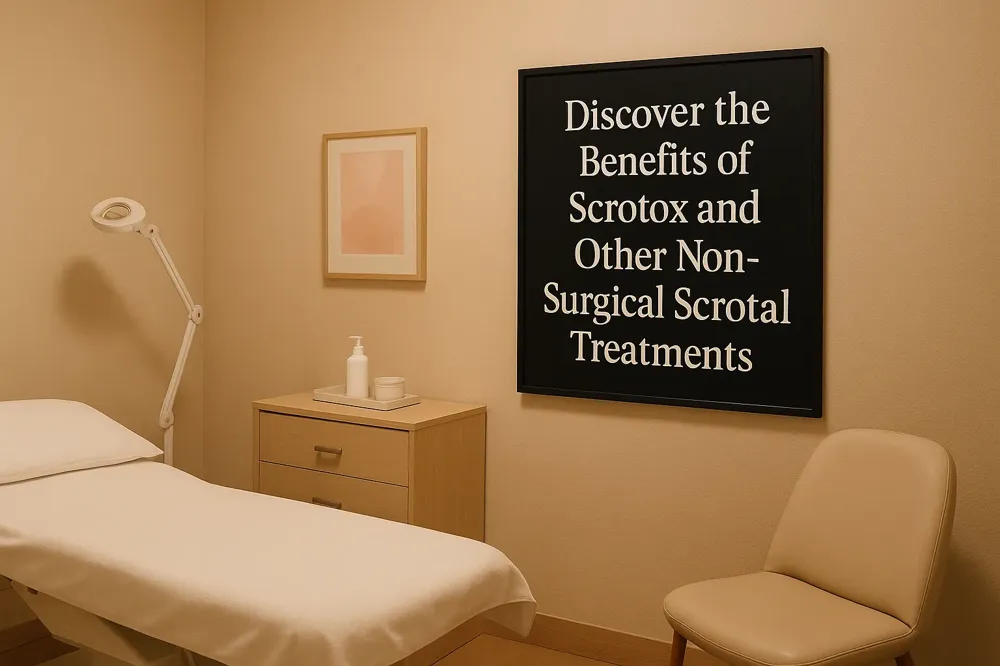
Scrotox is a minimally invasive, non-surgical treatment involving the injection of BOTOX® for scrotal rejuvenation into the scrotal muscles. This neuromodulator works by relaxing the dartos muscle fibers within the scrotum, leading to a smoother, tighter appearance. By reducing muscle contraction, scrotox can also elevate the position of the scrotum, minimizing sagging and wrinkles.
What Are the Benefits of Scrotox?
Scrotox offers both aesthetic and functional advantages. Aesthetically, it reduces sagging and wrinkles, contributing to a youthful and balanced genital appearance. Functionally, relaxing scrotal muscles decreases excessive sweating and can reduce discomfort caused by muscle tension or hyperhidrosis. For more details, see Scrotox aesthetic benefits and Scrotox functional benefits.
How is the Procedure Performed and What is the Recovery Like?
The procedure is outpatient and performed under local anesthesia or with minimal sedation. Small injections are administered directly into the scrotal skin, avoiding testicular tissue. Patients typically experience minimal discomfort, and recovery time is short, often allowing a return to normal activities within a couple of days. Post-procedure swelling or bruising is rare and transient. For procedure details, see Scrotox treatment details.
How Does Scrotox Integrate with Penile Enhancement Procedures?
Combining scrotox with Penile enhancement methods can produce harmonious genital aesthetics. While penile enhancement addresses size and girth, scrotox refines scrotal appearance by reducing laxity and sweat, resulting in improved overall proportion and patient confidence. Learn more about Combined penile and scrotal treatments and Benefits of combined penile enhancement.
What Are the Safety and Efficacy Considerations?
Scrotox is generally considered safe when performed by qualified professionals. It avoids major complications due to its localized action and minimally invasive nature. Patients should ensure treatment by experienced providers and disclose any neuromuscular conditions or allergies to botulinum toxin. The effects typically last several months, with repeated treatments maintaining results. For more on safety, see Safety in male enhancement procedures and Scrotal aesthetics benefits.
Scrotal Reconstruction: Advanced Surgical Options and Indications

What Are Scrotectomy and Complex Scrotoplasty Procedures?
Scrotectomy surgery, Scrotoplasty surgery are surgical interventions designed to remove diseased, damaged, or excess scrotal tissue and restore the scrotum’s natural shape and function. These procedures address conditions such as infections—including severe cases like Fournier’s gangrene treatment—trauma, congenital defects, lymphedema, and deformities resulting from previous surgeries.
How Is Scrotal Reconstruction Performed in Gender-Affirming Surgery?
In gender-affirming procedures for female-to-male transitions, scrotoplasty for gender affirmation includes creation of a neoscrotum typically from repurposed vaginal or perineal tissues. This may be combined with testicle implants for gender affirmation to create a natural-appearing scrotum. Advanced tissue reconstruction methods, including skin grafts and local flaps, are utilized to achieve functional and aesthetic outcomes.
What Are the Microsurgical Techniques Involved?
Microsurgical precision is central to preserving vital structures such as the testes, spermatic cords, and neurovascular bundles during reconstruction. Surgeons employ careful dissection and microsurgical flap techniques to maintain blood supply and sensation, reducing complication rates and enhancing recovery.
What Does Postoperative Care and Hospitalization Entail?
Typically performed under general anesthesia, scrotoplasty and scrotectomy may necessitate a brief hospital stay depending on surgery complexity. Postoperative care involves wound management, pain control, wearing support garments, and avoiding strenuous activity. Follow-up includes monitoring for infection, scarring, and ensuring functional recovery.
What Are the Functional and Psychological Benefits?
Beyond restoring physical form, these surgeries facilitate improved urinary function, comfort during daily activities, and significant enhancements in self-esteem and quality of life. Especially for patients recovering from trauma or undergoing gender transition, reconstructive surgery supports alignment of physical appearance with identity.
Why Choose Specialists and Multidisciplinary Care?
Due to complexity and risks such as infection, nerve injury, and cosmetic outcomes, scrotal reconstruction requires experienced surgeons often in reconstructive urology or plastic surgery. Multidisciplinary teams including urologists, plastic surgeons, psychologists, and specialized nurses ensure comprehensive management addressing medical and psychosocial needs.
Summary and Emerging Trends in Scrotal and Male Genital Enhancement
Importance of Individualized Treatment and Expert Consultation
Individualized treatment plans crafted by experienced specialists are crucial in male genital enhancement. Board-certified surgeons like Dr. Samuel Sohn and Dr. Victor Loria emphasize thorough consultations to assess anatomical needs and psychological readiness, ensuring safe, natural outcomes. Personalization covers the choice between surgical and nonsurgical male enhancement options, tailored recovery protocols, and managing patient expectations.
Combination Therapies for Optimal Aesthetic and Functional Results
Combining penile enhancement methods with scrotoplasty surgical procedure—such as Scrotox treatment, scrotoplasty, and testicular implants—achieves more harmonious and functional results. These combined approaches address scrotal sagging, volume deficiency, and penile girth or length discrepancies, enhancing both appearance and comfort simultaneously.
Emerging Technologies Including Tissue Engineering and Regenerative Medicine
Innovations in tissue engineering for penile augmentation, such as biodegradable scaffolds and autologous cell therapies, show great promise for long-term penile girth enhancement with fewer complications. Similarly, regenerative techniques are evolving in scrotal reconstruction, offering safer, less invasive options that support natural tissue growth and improved aesthetics.
Psychological Considerations Affecting Patient Satisfaction
Understanding psychological factors like small penis anxiety (SPA) and penile dysmorphophobia is essential in the treatment process. Multidisciplinary care involving urologists, plastic surgeons, and psychologists helps manage patients' expectations and improves overall satisfaction with genital rejuvenation procedures.
Future Directions for Minimally Invasive and Surgical Scrotal Procedures
Minimally invasive techniques—such as Hyaluronic acid gel injection and Scrotox treatment to reduce muscle sagging—continue to advance. Surgical procedures like scrotoplasty surgical procedure and scrotal expansion treatment for hypoplastic scrotum with silicone implants are refined for better safety and aesthetic outcomes, promising shorter recoveries and enhanced patient comfort.
Emphasis on Patient Safety, Natural Appearance, and Quality of Life
Across all treatment modalities, there is a strong emphasis on safety in male enhancement procedures, natural-looking results, and improving quality of life. Postoperative protocols include careful pain management, support garments, activity restrictions, and psychological support, ensuring that patients experience both physical and emotional benefits.
Final Thoughts on Scrotal Enhancement and Correction Techniques
Understanding Available Procedures and Benefits
Scrotal enhancement and correction involve diverse surgical and non-surgical options tailored to individual needs, such as scrotoplasty, scrotox, filler injections, and implants. These treatments can improve scrotal appearance, reduce discomfort, address sagging or enlargement, and enhance sexual confidence while restoring balance to male genital aesthetics.
Importance of Consulting Qualified Specialists
Due to the complexity and sensitivity of male genital anatomy, patients should seek board-certified surgeons or urologists experienced in male genital rejuvenation. Expert evaluation ensures personalized treatment plans that consider medical history, psychological factors, and realistic outcome expectations.
Balancing Function and Aesthetics
Beyond cosmetic improvements, many scrotal procedures relieve physical discomfort and improve urinary or sexual function. Considering both functional and aesthetic results is essential for optimal patient satisfaction and long-term wellbeing.
Prioritizing Safety and Realistic Expectations
Understanding procedural risks, recovery timelines, and potential complications is critical. Patients are encouraged to maintain realistic goals and prioritize safety by following pre- and postoperative care instructions and maintaining open communication with their care team.
A Path to Personalized Male Genital Enhancement
Men seeking scrotal and penile enhancement are encouraged to pursue discreet, tailored treatments under specialized medical care. Combining advanced techniques with compassionate guidance fosters natural-looking outcomes and improved quality of life.