

Introduction: Why Cost Transparency Matters
Patient expectations for size enhancement
Many men pursuing size enhancement begin with a single question: "How much will it cost?" However, the true expense extends well beyond a procedure's sticker price. Understanding the complete financial picture, including maintenance, revision risks, and hidden costs, is essential for making an informed decision.
Importance of understanding surgical vs. non‑surgical options
Procedures range widely in price and permanence. Non‑surgical options like hyaluronic acid fillers offer lower upfront costs—starting around $3,000—but require maintenance every 12 to 24 months, potentially accumulating $25,000 to $30,000 over a decade. Surgical lengthening (ligament release) or widening (implants like Penuma® or Himplant®) carries a higher initial price of $10,000 to $25,000 but typically provides permanent, one‑time results.
Role of board‑certified specialists and FDA clearance
Choosing a board‑certified urologist or plastic surgeon and, when applicable, an FDA‑cleared device like Penuma® or Himplant® significantly influences both cost and safety. The cheapest option, if it leads to complications, can become far more expensive than a correctly performed procedure at a reasonable price. Transparency about all fees—consultation, anesthesia, facility, follow‑up care, and potential add‑ons like circumcision or suprapubic fat removal—empowers patients to plan realistically and avoid unpleasant surprises.
1. Surgical vs. Non‑Surgical Options – An Overview
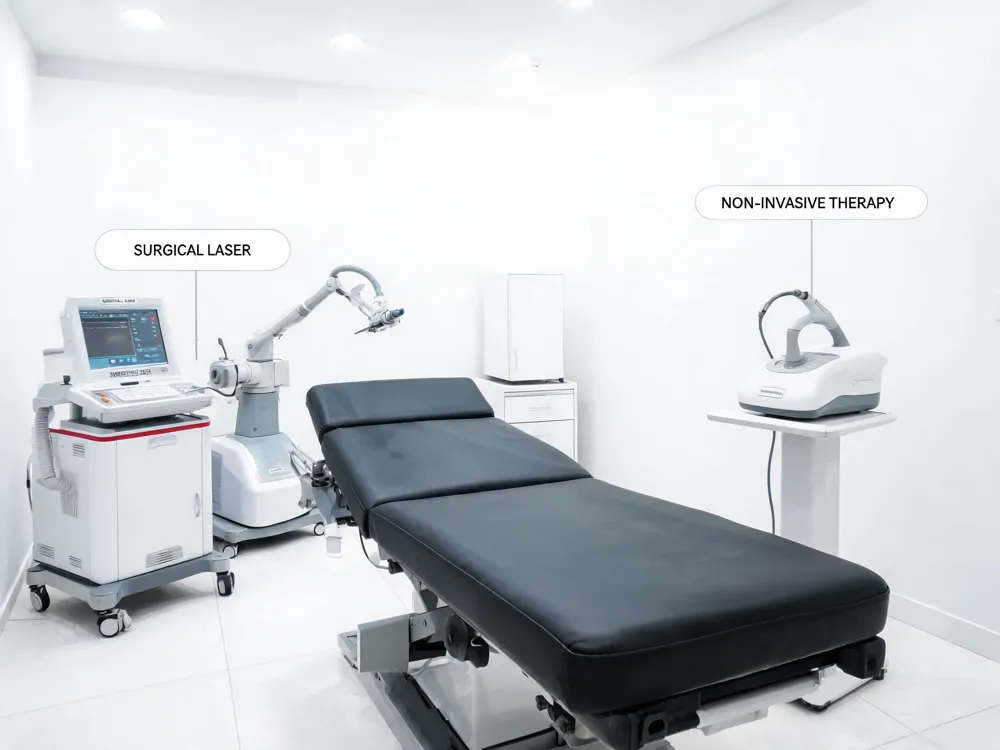
Men considering penile enhancement have a range of options, from permanent surgical alterations to temporary, less invasive non-surgical treatments. The choice between them typically hinges on goals for length versus girth, the desired permanence of results, budget, and tolerance for risk and recovery time. Surgical approaches generally offer more significant and lasting changes but come with higher upfront costs and more substantial risks, while non-surgical methods provide a lower-cost entry point with less downtime but require maintenance.
What are the main surgical techniques for penile lengthening?
Surgical lengthening primarily involves ligament transection, or ligamentolysis. This procedure cuts the suspensory ligament that connects the pubic bone to the penis, allowing the flaccid penis to hang lower and appear longer. It is a permanent change, with costs typically ranging from $5,000 to $25,000. More complex, invasive techniques like sliding elongation or total phalloplasty are reserved for cases of micropenis, trauma, or cancer, and involve significantly higher costs and complication rates.
How do silicone implants and fat grafting work for girth enhancement?
For permanent girth increase, silicone implants like Penuma or Himplant are the only FDA‑cleared devices for cosmetic enhancement. These are custom‑fitted, crescent‑shaped silicone sheaths inserted under the penile skin to add girth and some flaccid length, typically costing $15,000 to $25,000. Autologous fat grafting is a less expensive surgical alternative, transferring fat from the patient’s abdomen or thighs to the penis. This costs from $3,500 to $15,000 per session, but results are often temporary as the body reabsorbs 30‑40% of the fat, frequently requiring multiple sessions.
What are the primary non‑surgical alternatives and their costs?
Non‑surgical options focus on temporary girth enhancement using injectable fillers. Hyaluronic acid (HA) fillers like Revanesse Versa are FDA‑approved and provide immediate, reversible results lasting 1‑2 years, costing $3,000 to $9,000 per session. PMMA fillers (Bellafill) offer a longer‑lasting but permanent option, typically costing $5,600 for a foundational session. Other non‑surgical programs include the P‑Shot (platelet‑rich plasma, or PRP) and non‑surgical lengthening protocols like MAXL, which combine traction devices and therapy, costing around $4,900.
What are the key distinctions in FDA clearance for these procedures?
It is crucial to distinguish between an FDA‑cleared device and an FDA‑approved substance used off‑label. The Penuma and Himplant silicone implants are FDA‑cleared specifically for cosmetic penile enhancement, meaning they have been proven safe and effective for this purpose. In contrast, dermal fillers like HA are FDA‑approved for other uses (e.g., facial wrinkles) and are used off‑label for penile enhancement. While this practice is common and legal when performed by a qualified physician, it means these fillers have not undergone the same specific FDA review process for penile girth. The table below contrasts the primary options.
| Technique | Type | Target | Cost Range (USD) | FDA Status | Permanence |
|---|---|---|---|---|---|
| Penuma/Himplant | Surgical | Girth & Flaccid Length | $15,000 – $25,000 | Cleared for cosmetic enhancement | Permanent |
| Ligament Transection | Surgical | Flaccid Length | $5,000 – $25,000 | Standard surgical procedure | Permanent |
| Fat Grafting | Surgical | Girth | $3,500 – $15,000+ | Standard surgical technique | Semi‑permanent (may reabsorb) |
| HA Fillers | Non‑Surgical | Girth | $3,000 – $9,000 | Off‑label (FDA‑approved for other uses) | Temporary (1‑2 years) |
| PMMA Fillers | Non‑Surgical | Girth | $5,600+ | Off‑label (FDA‑approved for other uses) | Permanent |
2. Does Penis Enlargement Surgery Work, and How Many Inches Can Be Gained?
Evidence on modest length and girth increases
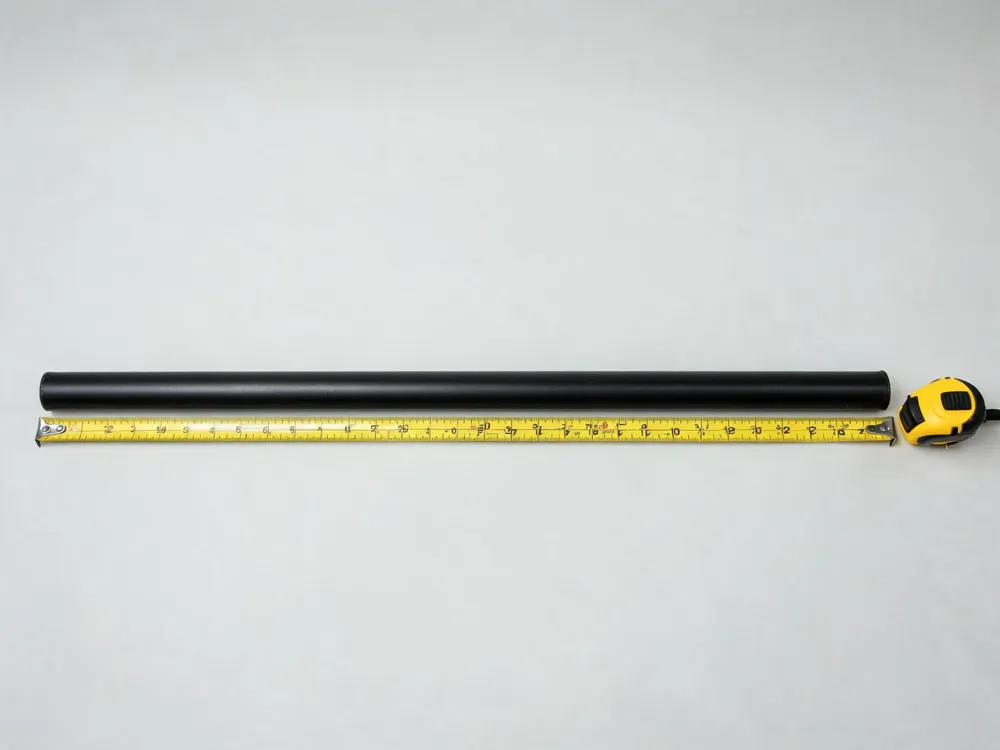
Penis enlargement surgery can produce measurable changes. The FDA-cleared Himplant® (Penuma®) is a silicone implant reported to add an average of 1–2 inches in girth and up to 1–2 inches in flaccid length. Ligament release (ligamentolysis) can make the flaccid penis hang lower, adding 1–2 inches of apparent length. However, scientific support for long-term, consistent results is limited; most studies rely on small groups and short follow-ups.
Variability of outcomes by method
Not all methods deliver the same gains. A summary of common procedures and typical outcomes include:
| Procedure | Typical Length Gain (Flaccid) | Typical Girth Gain | Permanence |
|---|---|---|---|
| FDA-Cleared Silicone Implant (Himplant®) | Up to 2 inches | 1–2 inches | Permanent |
| Suspensory Ligament Release | 1–2 inches (apparent) | Negligible | Permanent but may retract |
| Fat Transfer (Grafting) | Negligible | 0.5–1.5 inches (variable; up to 30–40% reabsorbed) | Semi-permanent; often 2+ sessions needed |
| Dermal Fillers (e.g., HA) | None (may add 0.75 inch flaccid hang) | < 1 inch | Temporary (1–2 years); requires repeat treatments |
Individual results depend heavily on starting anatomy, surgical technique, and healing. For example, ligament release may increase length but cannot add true tissue beyond what exists.
Psychological factors and realistic expectations
It is crucial to understand that most men seeking enlargement have a penis size within the normal range (average stretched length ~5.25 inches). The Urology Care Foundation states these cosmetic procedures are only legitimate for functional conditions like micropenis (stretched length < 3 inches). Small penis anxiety (SPA) or body dysmorphic disorder are common drivers, and a psychological evaluation may be recommended. When performed purely for cosmetic dissatisfaction in men with normal size, the risks—infection, scarring, loss of sensation, erectile dysfunction—often outweigh the modest, variable benefits. A thorough consultation with a qualified urologist or plastic surgeon is essential to align expectations with medical reality.
3. The Newest Option – Himplant – and Its Natural Appearance
What is the newest penile enlargement procedure, such as the Himplant?
The Himplant is the latest FDA‑cleared penile enlargement device, representing a modern approach to cosmetic male enhancement. It is a soft, medical‑grade silicone sheath implanted subcutaneously under the penile skin to increase girth and flaccid length. The implant is available in multiple lengths and circumferences (L, XL, XXL) and is selected based on pre‑operative measurements and patient anatomy, allowing for a highly customized fit. Himplant offers average gains of about 1 inch in length and nearly 2 inches in girth, and it is marketed as a personalized alternative to older implants. As an elective cosmetic procedure, it is not covered by insurance, but financing options are often available.
Does a penile implant like the Himplant look natural?
Yes. The Himplant is engineered to be fully concealed when flaccid and to mimic the natural contour of the penis. Clinical reports and patient surveys indicate that most men find the implant looks and feels natural, with partner detection rates very low. Satisfaction scores for the Himplant exceed 95% when the procedure is performed by a board‑certified surgeon. The device is backed by a limited lifetime warranty, and recovery is typically 6-8 weeks before resuming sexual activity.
4. Risks, Side Effects, and Recovery Time
What are the potential side effects of penis enlargement surgery?
Complications vary significantly by technique. Surgical procedures, such as ligament release or penile implants, carry risks of infection, scarring, loss of sensation, asymmetry, and unsatisfactory aesthetic results. More severe complications reported in the literature include permanent penile deformity, severe shortening, curvature, chronic edema, non-healing wounds, and erectile dysfunction. Implant-specific procedures carry risks of perforation, device migration, suture detachment, and blood clots. Injectable fillers may cause vascular occlusion, granulomas, or allergic reactions.
Anesthesia considerations also apply. While local anesthesia is common for non-surgical procedures, general anesthesia for surgeries introduces additional risks. Potential side effects include nausea, vomiting, exhaustion, and hoarse voice; rare but serious risks include pneumonia, heart attack, or stroke.
What is the typical recovery time after penile enlargement surgery?
Recovery timelines differ greatly. Surgical lengthening or girth enhancement typically requires 2–4 weeks off work and avoidance of heavy lifting. Sexual activity and masturbation are usually restricted for 4–6 weeks to allow proper healing. In contrast, non-surgical fillers have a much shorter downtime—most patients resume normal activities within 1–2 days. For all procedures, strict adherence to the surgeon’s after-care protocol, including use of prescribed medications, compression garments, and scheduled follow-up visits, is essential for optimal healing and minimizing long-term risks.
| Procedure Type | Typical Recovery | Activity Restrictions |
|---|---|---|
| Surgical (Ligament Release/Implant) | 2–4 weeks off work | No heavy lifting; sexual activity restricted for 4–6 weeks |
| Non-Surgical (Fillers) | 1–2 days | Resume normal activities quickly; avoid sexual activity for 7–10 days |
| Fat Transfer | 1–2 weeks | Moderate activity resume gradually; sexual activity restricted for 2–4 weeks |
5. Cost Breakdown in the USA and How It Compares Internationally

How much does length and girth surgery cost in the USA?
In the United States, surgical lengthening via ligament transection carries a price tag of $15,000 to $25,000. Girth enhancement methods vary widely: fat transfer costs $3,500 to $8,500, while dermal filler sessions range from $1,000 to $9,000. The FDA-cleared Penuma implant typically exceeds $15,000, and the Himplant procedure falls between $16,000 and $25,000, often including additional fees for necessary circumcision or suprapubic fat removal.
Since the vast majority of these procedures are considered cosmetic, they are not covered by standard health insurance. Exceptions exist for medically necessary cases, such as correcting a micropenis or a buried penis. To manage out-of-pocket expenses, patients commonly turn to financing plans offered through partners like CareCredit or Cherry, or through clinic-based payment options.
Which country is best for penile surgery, and how do USA costs compare to medical tourism destinations like Turkey or India?
There is no single "best" country; optimal choice depends on surgeon expertise, safety standards, and access to comprehensive follow-up care. U.S. surgery costs span from $3,500 to $25,000. In contrast, medical tourism hubs like Turkey or India offer procedures starting around $4,000 to $5,000, primarily due to lower overhead and favorable exchange rates.
However, traveling abroad introduces hidden costs—flights, lodging, and extended stays—and may involve variable regulatory oversight and limited post-operative support. For permanent, high-quality outcomes with robust after-care, many patients prioritize board-certified U.S. surgeons despite the higher initial expense.
| Procedure Type | US Cost Range (USD) | Foreign Cost Range (USD) | Key Considerations for US vs. Medical Tourism |
|---|---|---|---|
| Ligament transection (lengthening) | $15,000 - $25,000 | $3,000 - $10,000 | US: high surgeon standards, full follow-up. Foreign: lower up-front cost, but added travel & lodging expenses. |
| Fat transfer (girth) | $3,500 - $8,500 | $2,500 - $6,000 | US: predictable, accredited facilities. Foreign: may require multiple sessions abroad. |
| Dermal fillers (girth) | $1,000 - $9,000 | $1,000 - $4,500 | US: FDA-approved products used. Foreign: variable product quality and practitioner oversight. |
| Penuma / Himplant implant | $16,000 - $25,000 | $8,000 - $15,000 | US: FDA-cleared devices, strong warranty. Foreign: limited device tracking and follow-up. |
6. Seeing Results: Before‑and‑After Photos & Non‑Surgical Permanence
What are the best penis enlargement surgery before‑and‑after results, and can I see photos?
Reputable clinics, especially those led by double‑board‑certified surgeons, provide standardized and unretouched before‑and‑after photos. These images are taken under consistent lighting and angles to ensure accuracy. Galleries commonly show 1‑2 inches of length gain from ligament release or a 1‑3 cm girth increase from fat transfer. Clinics share these images during a confidential consultation, allowing you to set realistic expectations.
Is it possible to enlarge penis size permanently without surgery?
No. Non‑surgical methods may produce temporary or modest improvements, but none have proven permanent, long‑term enlargement. Traction devices can yield 1‑3 cm of length after months of daily use, yet gains are not guaranteed and may regress after discontinuation. For permanent, measurable enlargement, surgical options remain the only clinically documented approach.
| Method | Potential Gain & Duration | Permanence |
|---|---|---|
| Ligament Release (Surgical) | 1‑2 inches length (permanent) | Yes |
| Fat Transfer (Surgical) | 1‑3 cm girth (permanent after settling) | Yes (results variable) |
| Dermal Fillers (Non‑Surgical) | 1‑2 inches girth (6‑24 months) | No |
| Traction Devices (Non‑Surgical) | 1‑3 cm length (months of daily use) | No (gains may regress) |
| Vacuum Pumps (Non‑Surgical) | Temporary girth increase (minutes‑hours) | No |
Conclusion: Making an Informed Decision
Balance of cost, safety, and realistic outcomes
Choosing a penile enhancement procedure involves balancing upfront and long-term costs, safety, and realistic expectations. Nonsurgical options like hyaluronic acid fillers offer lower initial costs and reversibility, but require maintenance every 18–24 months, potentially totaling $25,000–$30,000 over ten years. Surgical techniques such as implants or ligament release are one-time expenses ranging from $10,000 to over $25,000 but carry higher complication risks and require significant recovery time. The Urology Care Foundation advises that for most men, the risks of cosmetic penile augmentation outweigh the benefits; only for true micropenis is surgery medically legitimate.
Importance of board‑certified specialists and FDA‑cleared devices
Prioritizing safety over the lowest price is critical. Seek a board‑certified urologist or plastic surgeon with specific experience in genital aesthetics. The only devices cleared by the FDA for cosmetic penile enhancement are the Penuma and Himplant silicone implants, which have documented safety profiles. In contrast, providers offering cheap, non‑FDA‑approved fillers or unverified techniques can lead to complications like infection, asymmetry, or erectile dysfunction, which are far more expensive to correct.
Next steps: consultation, financing, and post‑op care
Begin with a comprehensive consultation that covers a full medical history and a discussion of your goals and expectations. Reputable clinics provide transparent, itemized cost estimates and offer financing options through partners like CareCredit or Cherry to manage out‑of‑pocket expenses, as insurance rarely covers cosmetic procedures. Confirm what is included—surgeon fees, anesthesia, facility costs, follow‑up visits, and any required add‑ons like circumcision. A clear understanding of recovery, potential side effects, and the need for maintenance or revision will help ensure your decision is informed, safe, and aligned with your long‑term satisfaction.|
| Procedure Type | Typical Upfront Cost (USD) | Permanence | Key Safety Consideration |
|---|---|---|---|
| H/A Dermal Fillers | $3,000 – $8,000 (per session) | Temporary (1–2 years) | FDA‑approved for injection; reversible with hyaluronidase |
| Fat Transfer | $6,000 – $15,000 (per session) | Semi‑permanent (multiple sessions often needed) | Variable results; risk of reabsorption |
| Ligament Release | $5,000 – $15,000 | Permanent | No FDA‑cleared device; higher risk of erectile dysfunction and sensation loss |
| Silicone Implant (Penuma/Himplant) | $16,000 – $25,000 | Permanent | Only FDA‑cleared cosmetic implants; requires circumcision; risk of infection and device removal |